Essays & Reflections
These essays examine Scripture, history, philosophy, literature, scholarship, culture, identity, and the ideas that have shaped the modern world. Some accompany the books; others recover forgotten voices, trace inherited assumptions, and place competing interpretations beside the biblical and historical record. All are written for readers willing to pause, think deeply, and look again.
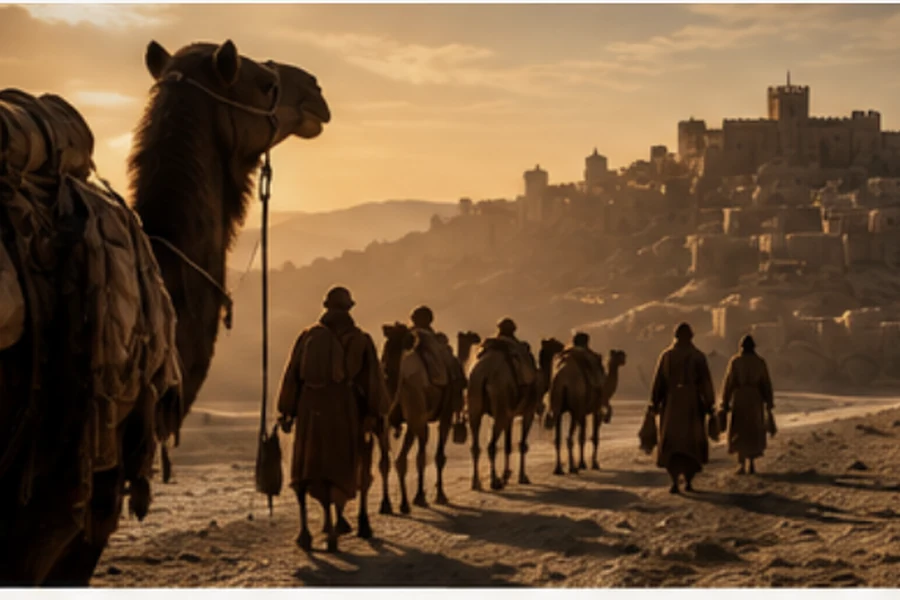
The Moors We Were Taught to Imagine
A name imposed upon a people can tell us as much about the people doing the naming as the people being named.
Read Reflection →
Which Olive?
Brown, reddish-brown, purple-brown, black. Nobody looks like a green olive.
Read Reflection →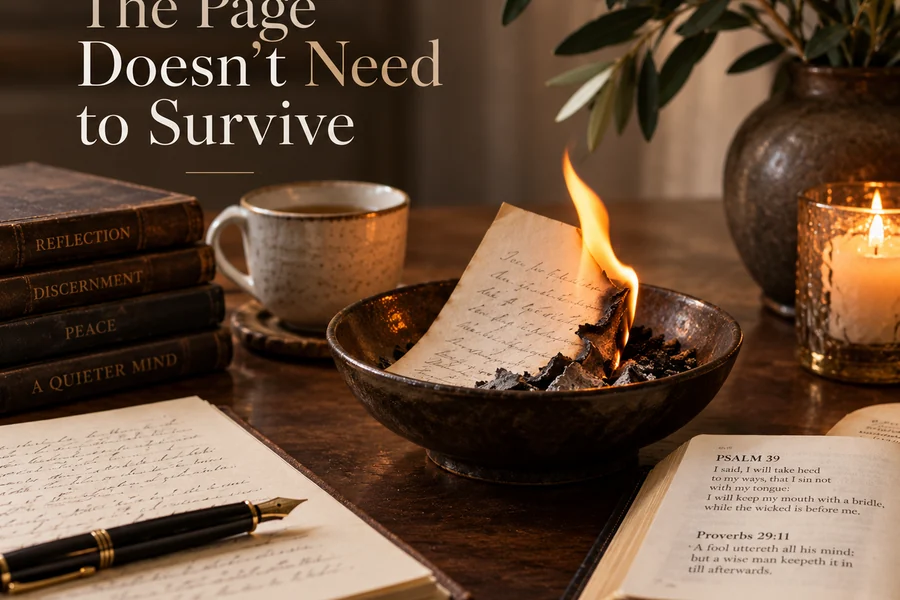
The Page Doesn't Need to Survive
Some pages are records. Some are rehearsals. Some have done their work once the words have finally been said.
Read Reflection →
The Right to Become Unavailable
Not everyone who can reach you is entitled to have you.
Read Reflection →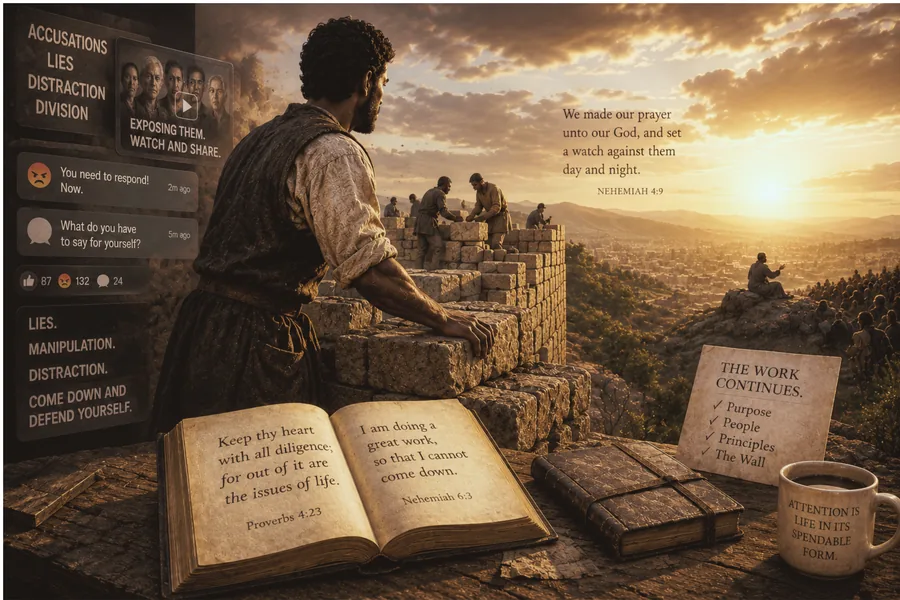
The Cost of Every Answer
Every response spends a portion of a life.
Read Reflection →
Reading Is Not Agreement
Citing an enemy’s archive is not the same as trusting his judgement.
Read Reflection →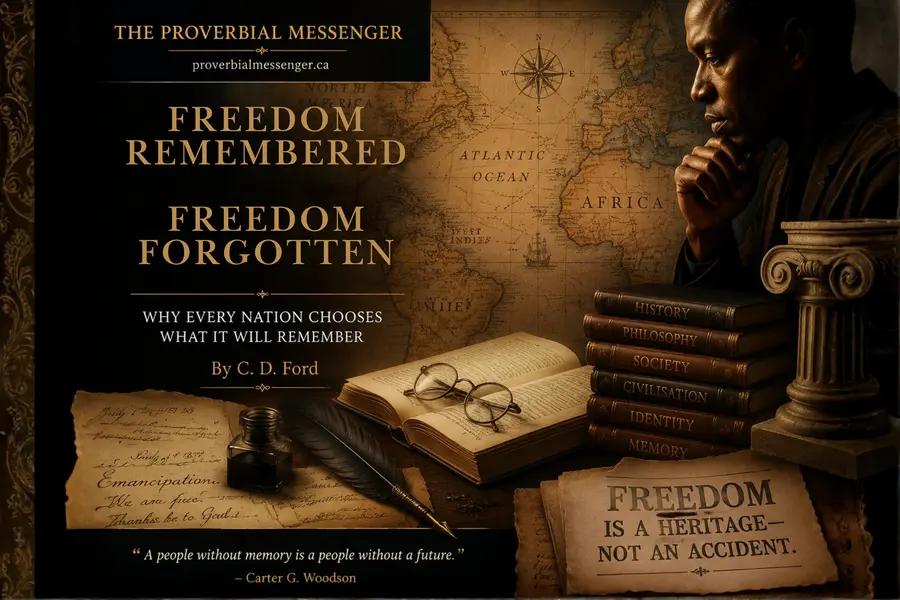
Freedom Remembered, Freedom Forgotten
Why every nation chooses what it will remember — and why freedom is preserved, or lost, in memory.
Read Reflection →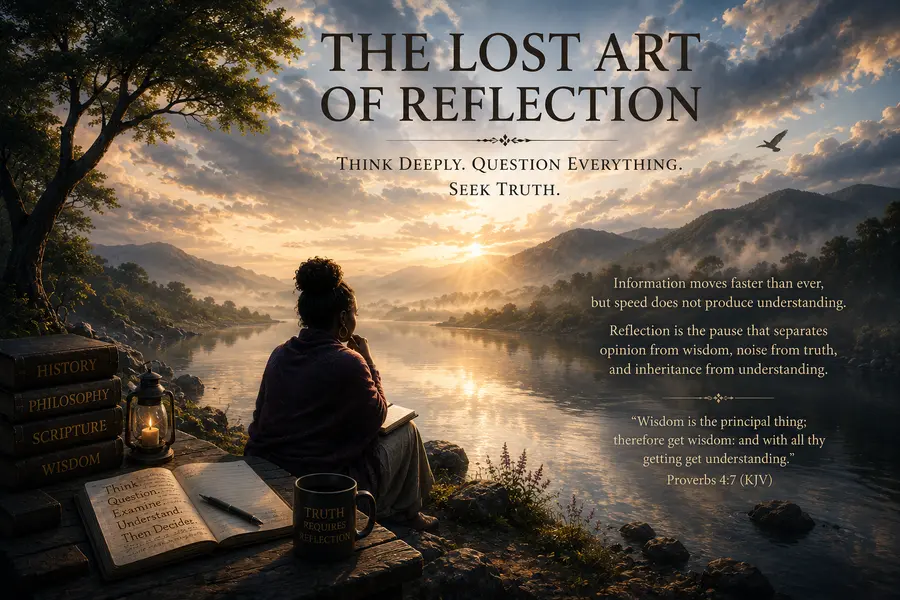
The Lost Art of Reflection
Information moves faster than ever, but speed does not produce understanding.
Read Reflection →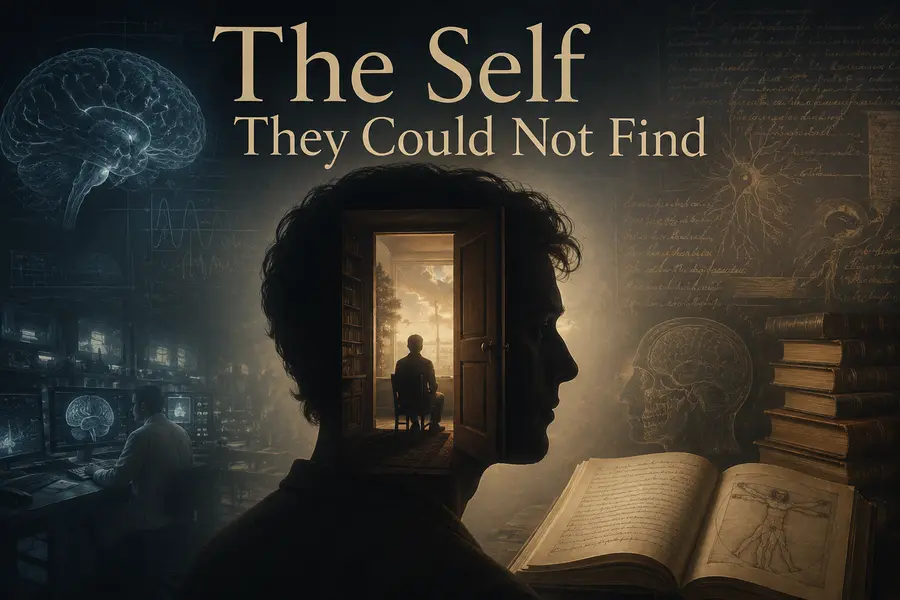
The Self They Could Not Find
The most immediate thing you know has been declared a mistake on the strength of a search.
Read Reflection →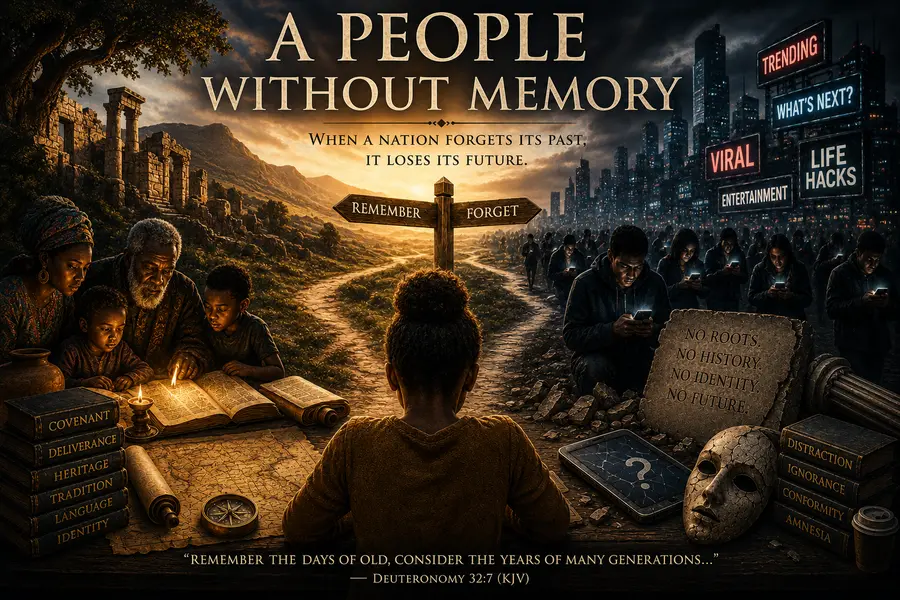
A People Without Memory
A people who lose their memory will eventually lose themselves.
Read Reflection →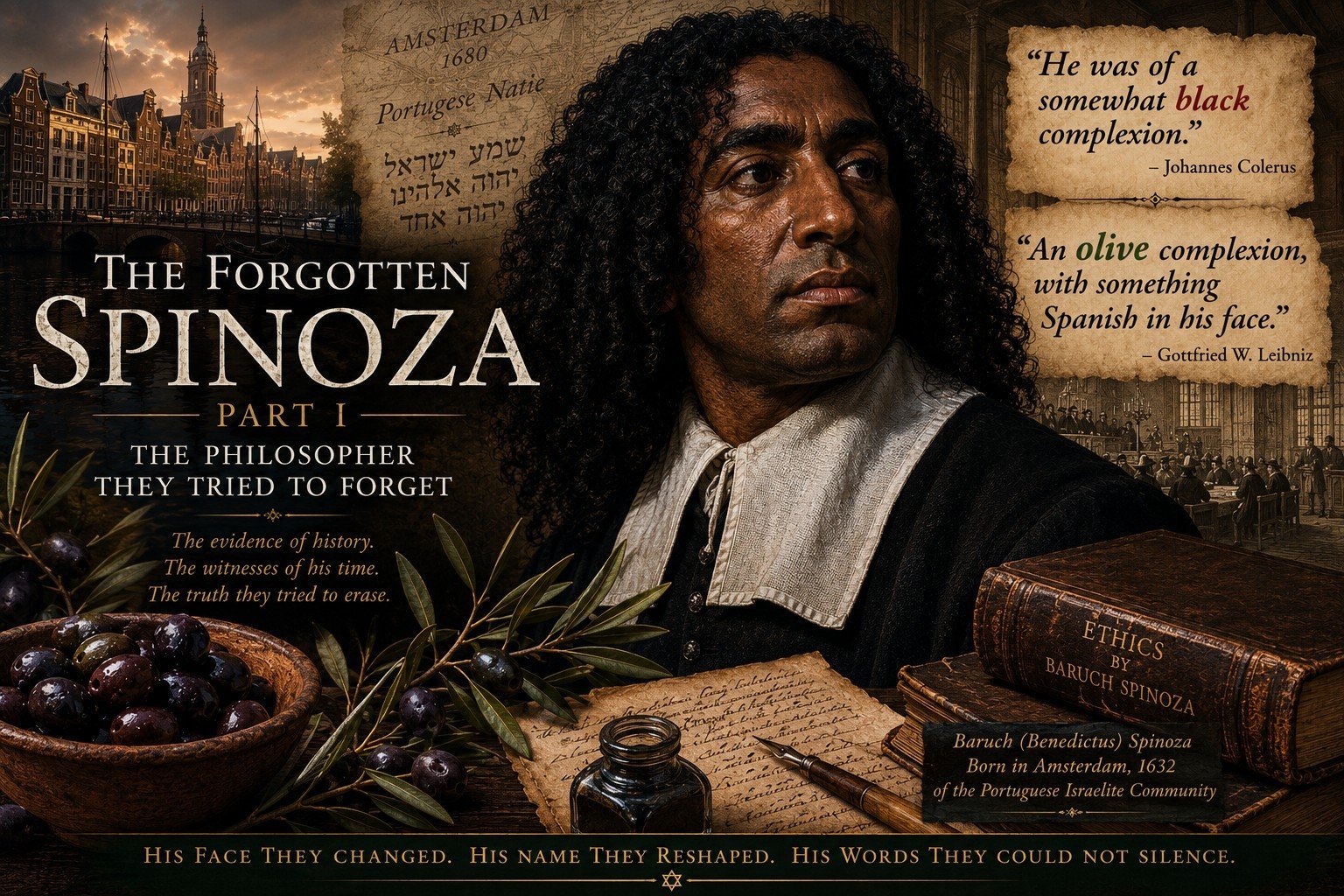
The Forgotten Spinoza, Part I
The philosopher they tried to forget. Universities teach his ideas and forget his face — until the testimony of Colerus and Leibniz is gathered.
Read Reflection →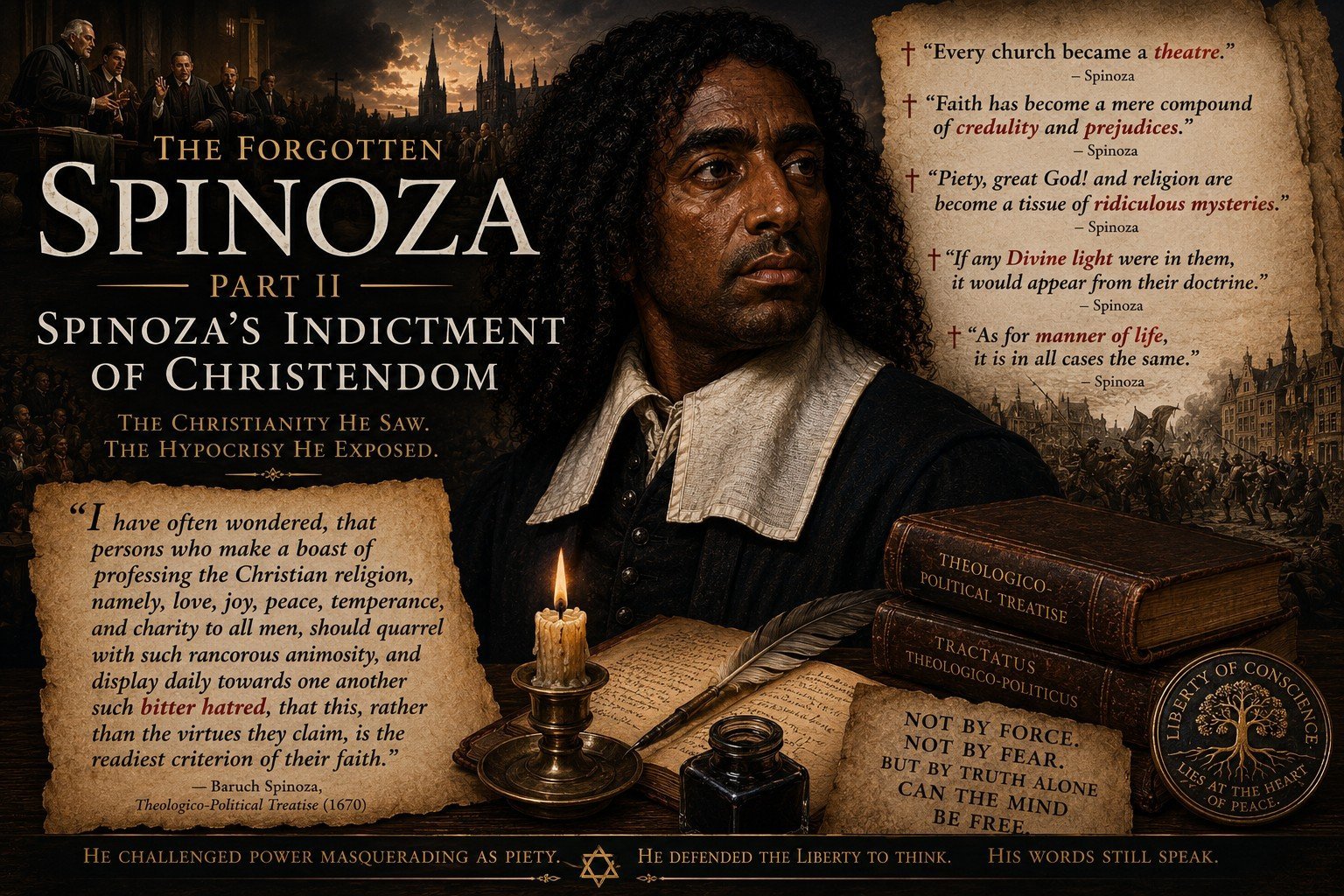
The Forgotten Spinoza, Part II
Spinoza’s indictment of Christendom. The Christianity he saw, and the hypocrisy he exposed — in his own words.
Read Reflection →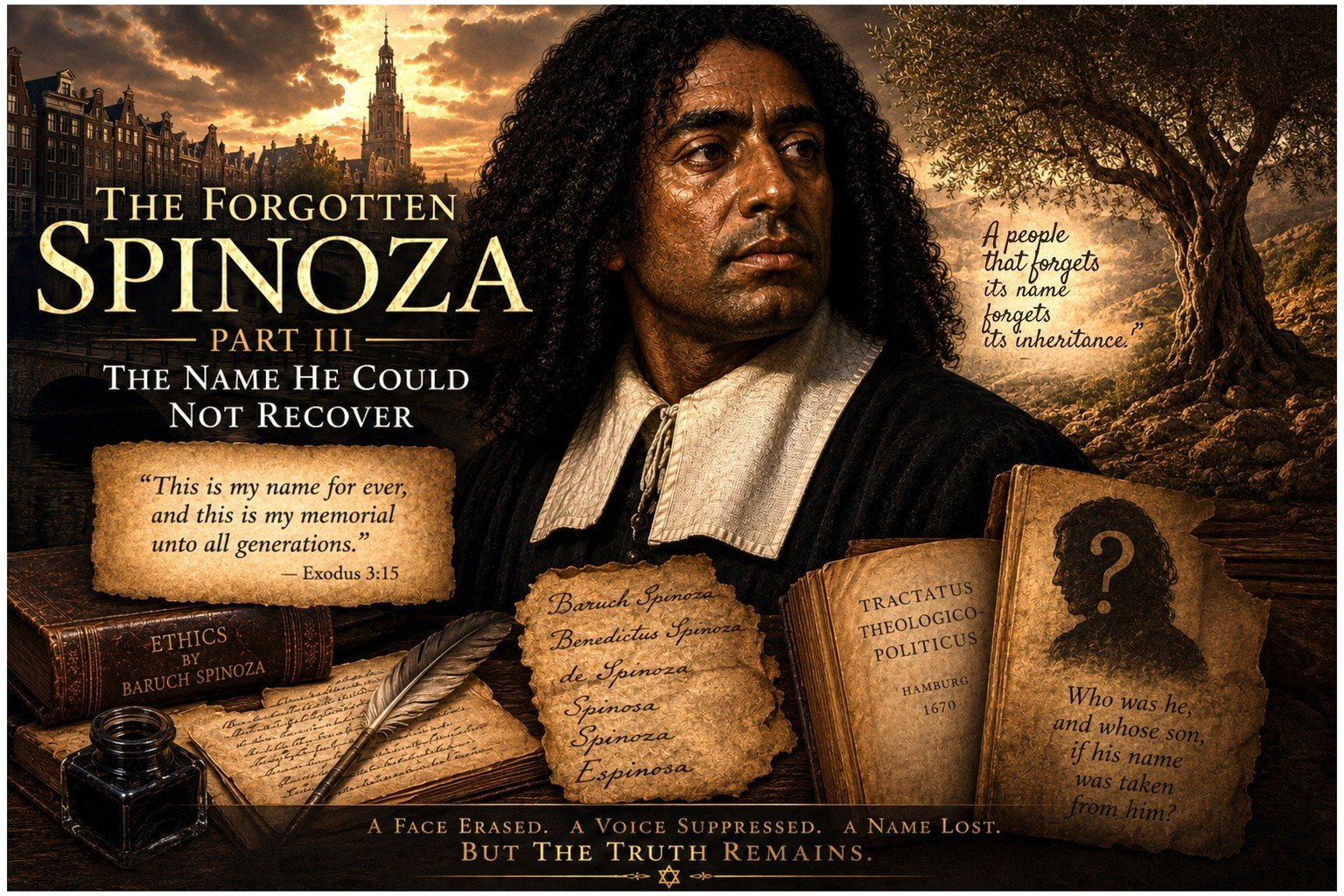
The Forgotten Spinoza, Part III
The name he could not recover. Beyond the face and the voice lies the deepest loss — the name of the God of the fathers.
Read Reflection →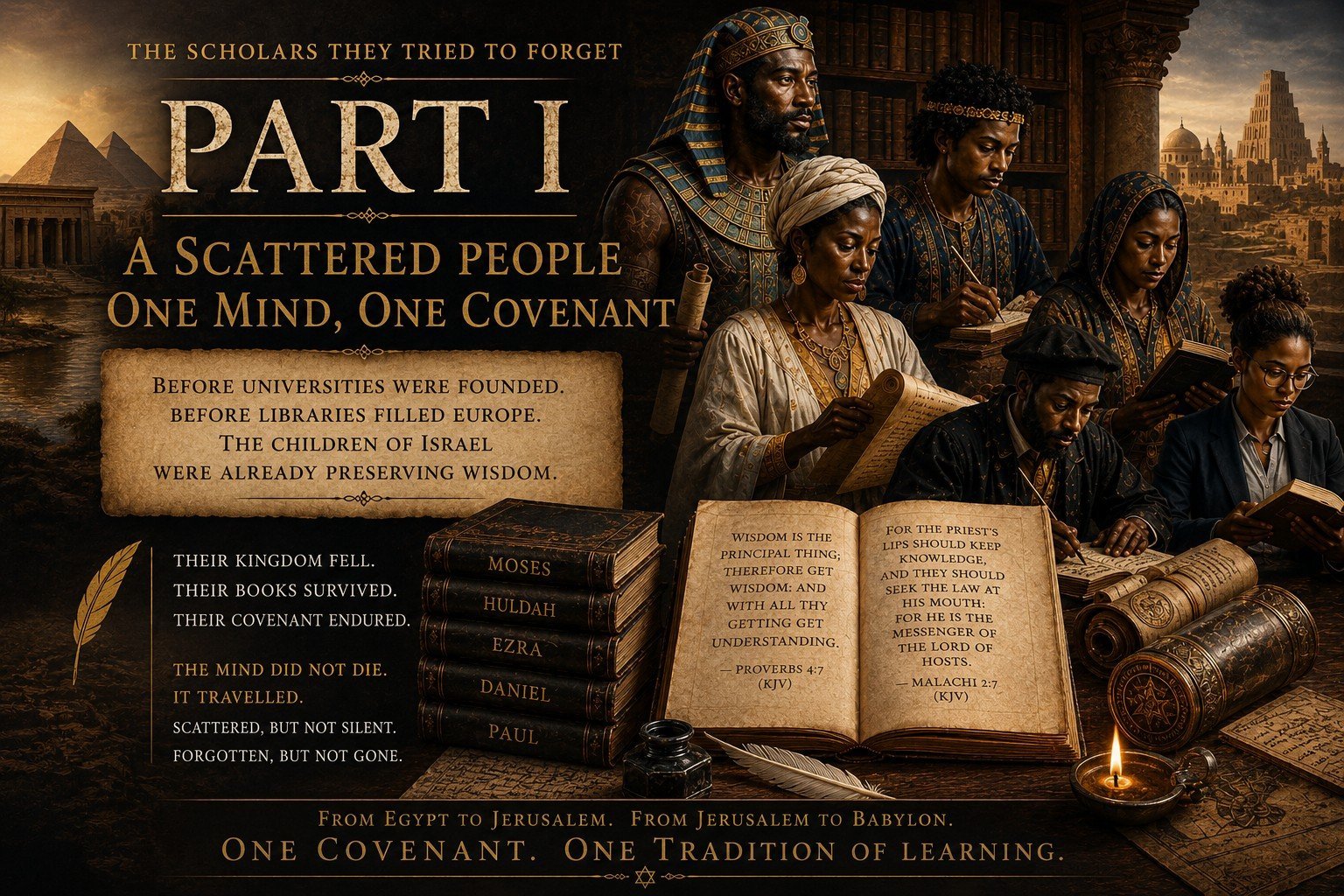
The Scholars They Tried to Forget, Part One
A scattered people, one mind, one covenant. Moses in Egypt, Huldah in Jerusalem, and Daniel in Babylon — the scriptural foundation of Israelite learning.
Read Reflection →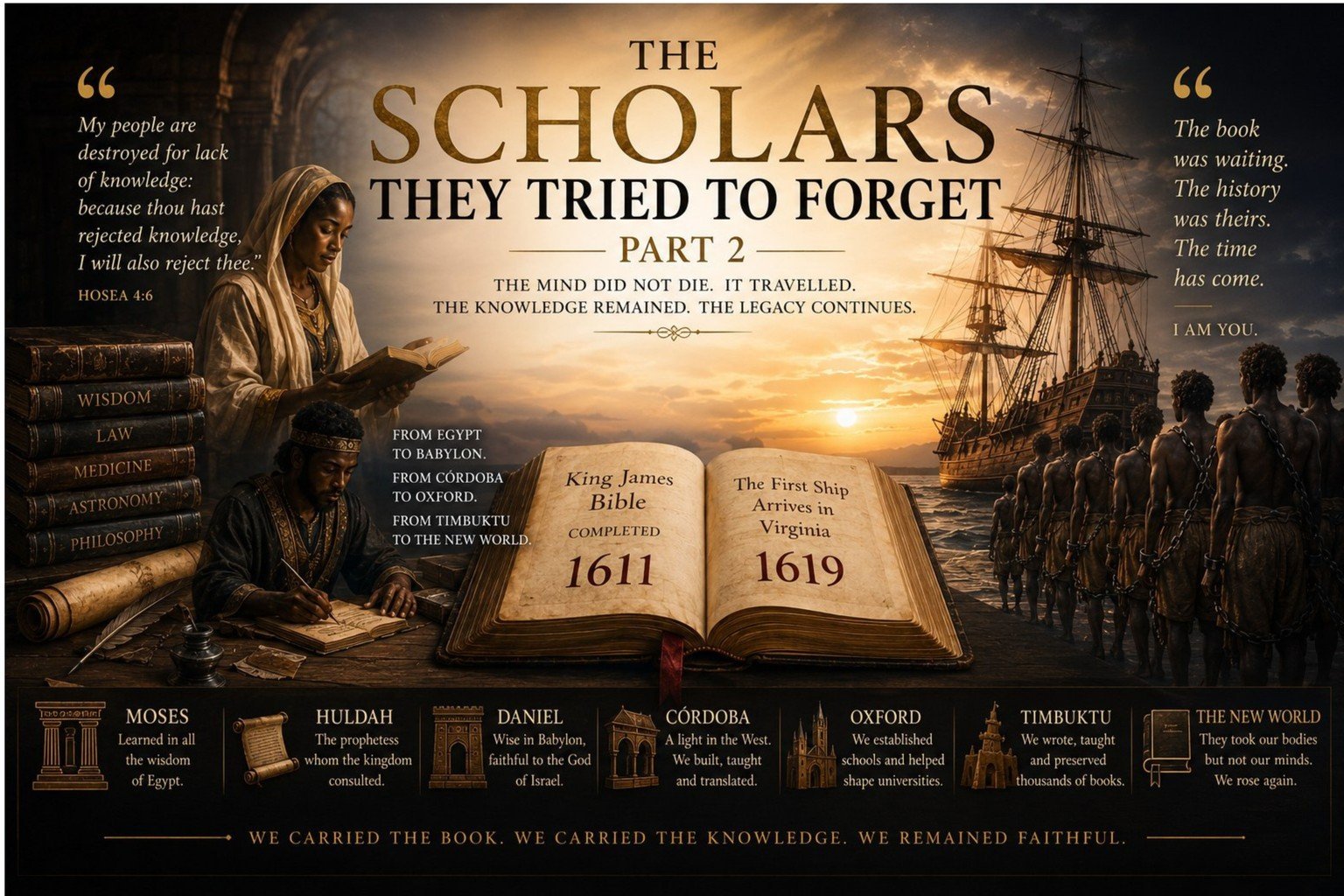
The Scholars They Tried to Forget, Part Two
The mind that travelled — Córdoba, Oxford, Timbuktu, and the schoolhouses built by the freed descendants of bondage. "I am you."
Read Reflection →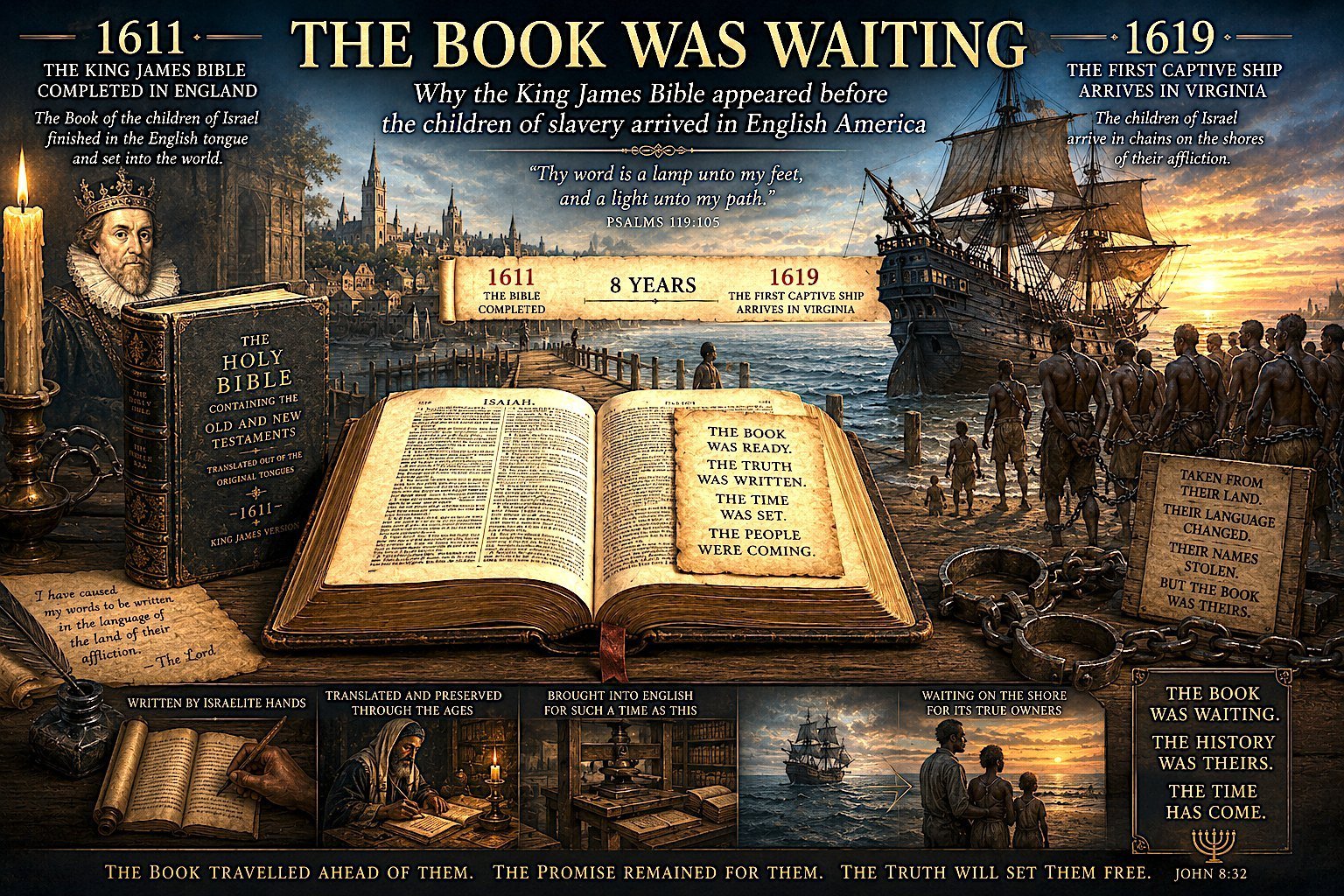
The Book Was Waiting
Why the King James Bible appeared before the children of slavery arrived in English America. 1611, 1619, and the chain of custody of the Book.
Read Reflection →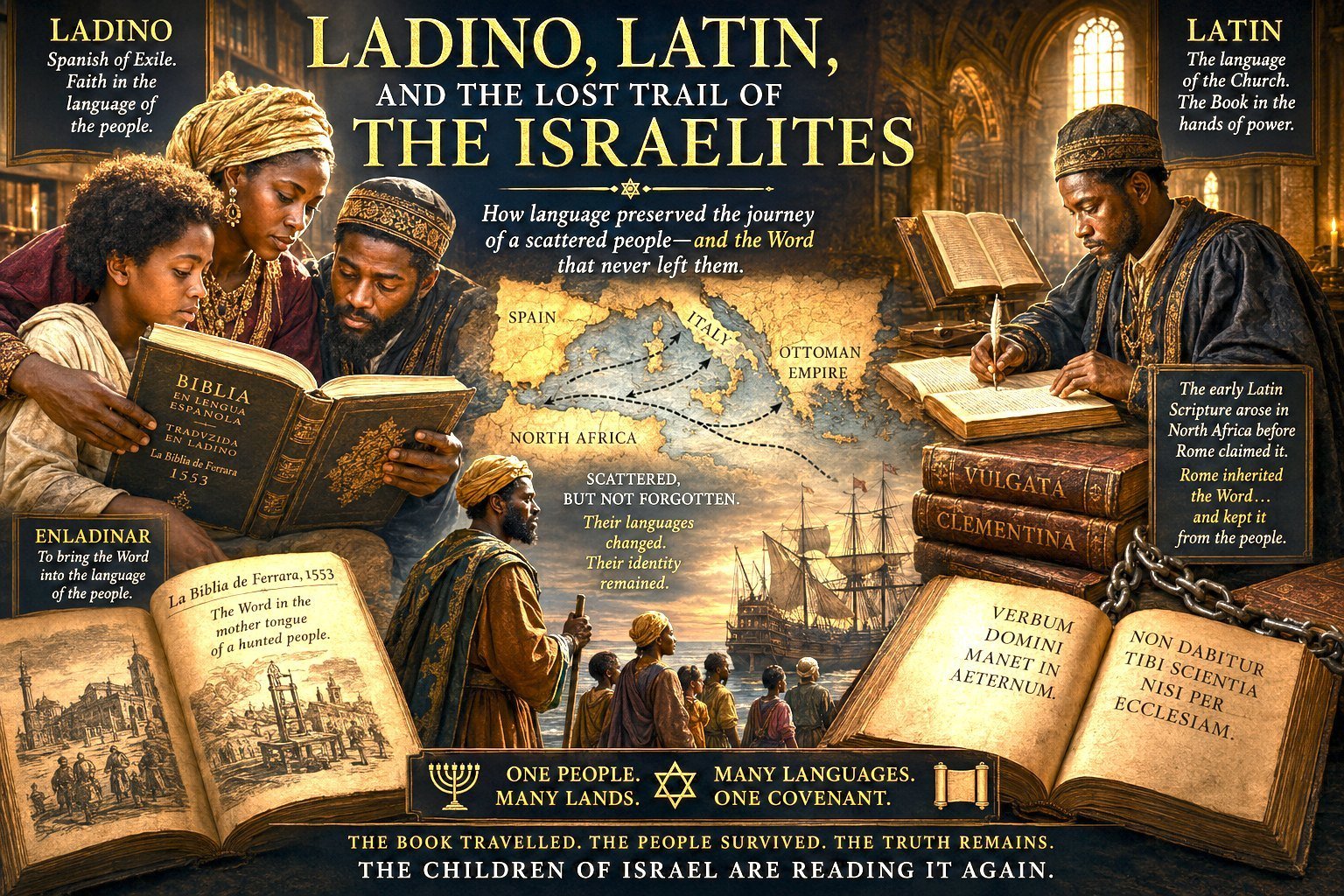
Ladino, Latin, and the Lost Trail of the Israelites
How language preserved the journey of a scattered people — and the Word that never left them.
Read Reflection →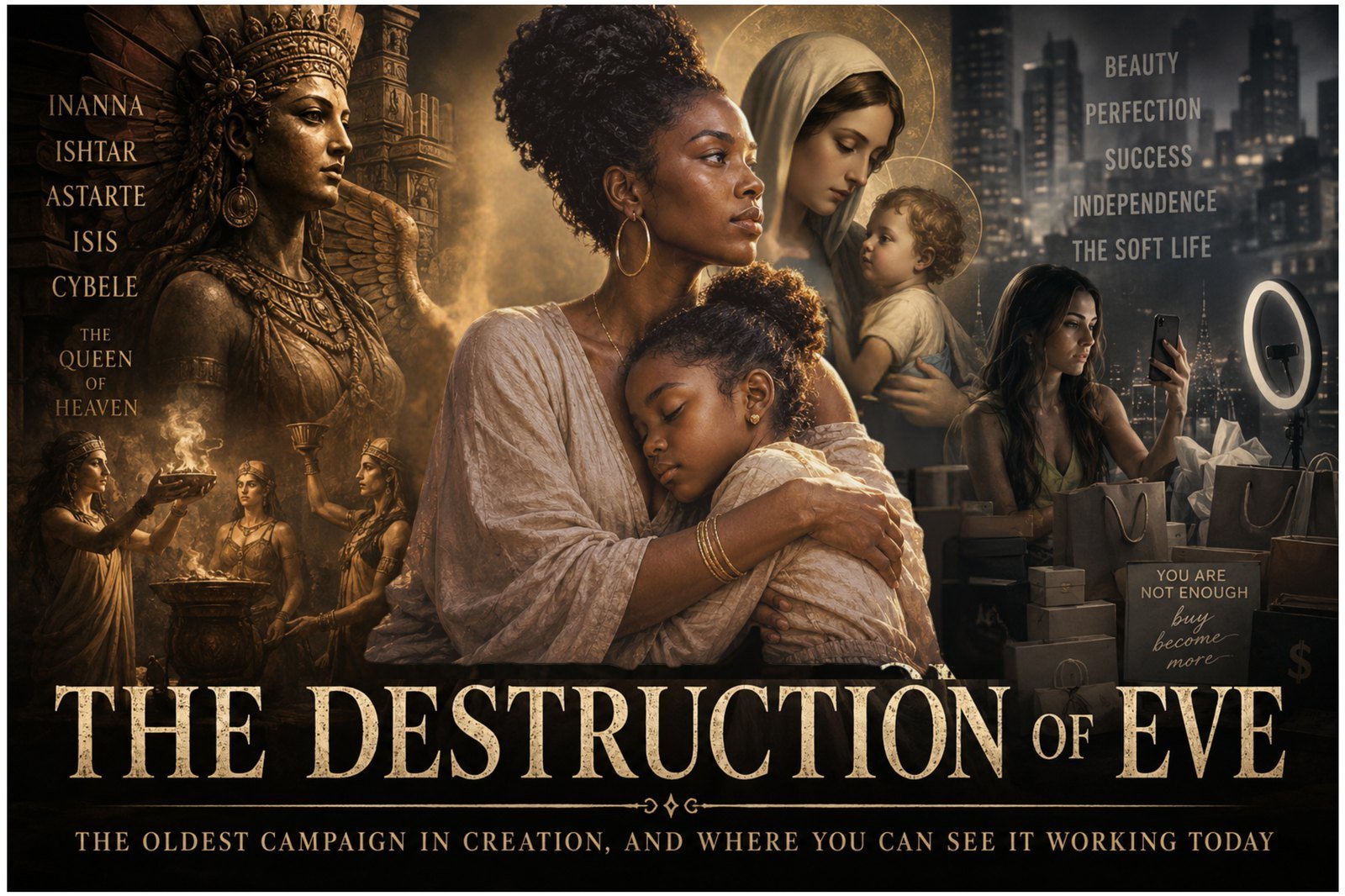
The Destruction of Eve, Part One: The Oldest Campaign in Creation
Something has been done to you. Not by accident, and not by the ordinary drift of culture. You were not supposed to notice.
Read Reflection →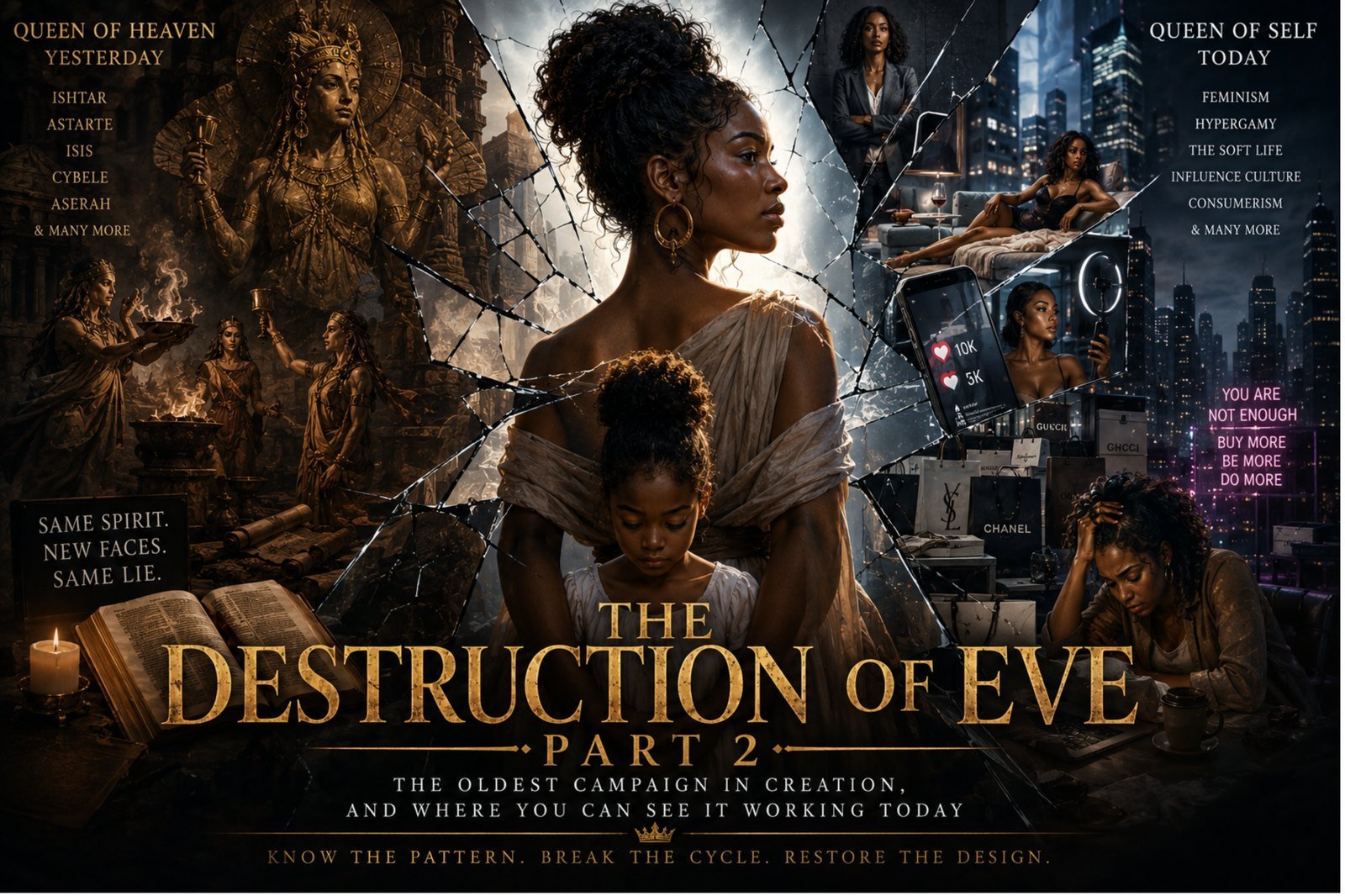
The Destruction of Eve, Part Two: The War You Didn't Know You Were In
The temple never closed. It changed its address. The modern instruments, the two cages, and the woman you were made to be.
Read Reflection →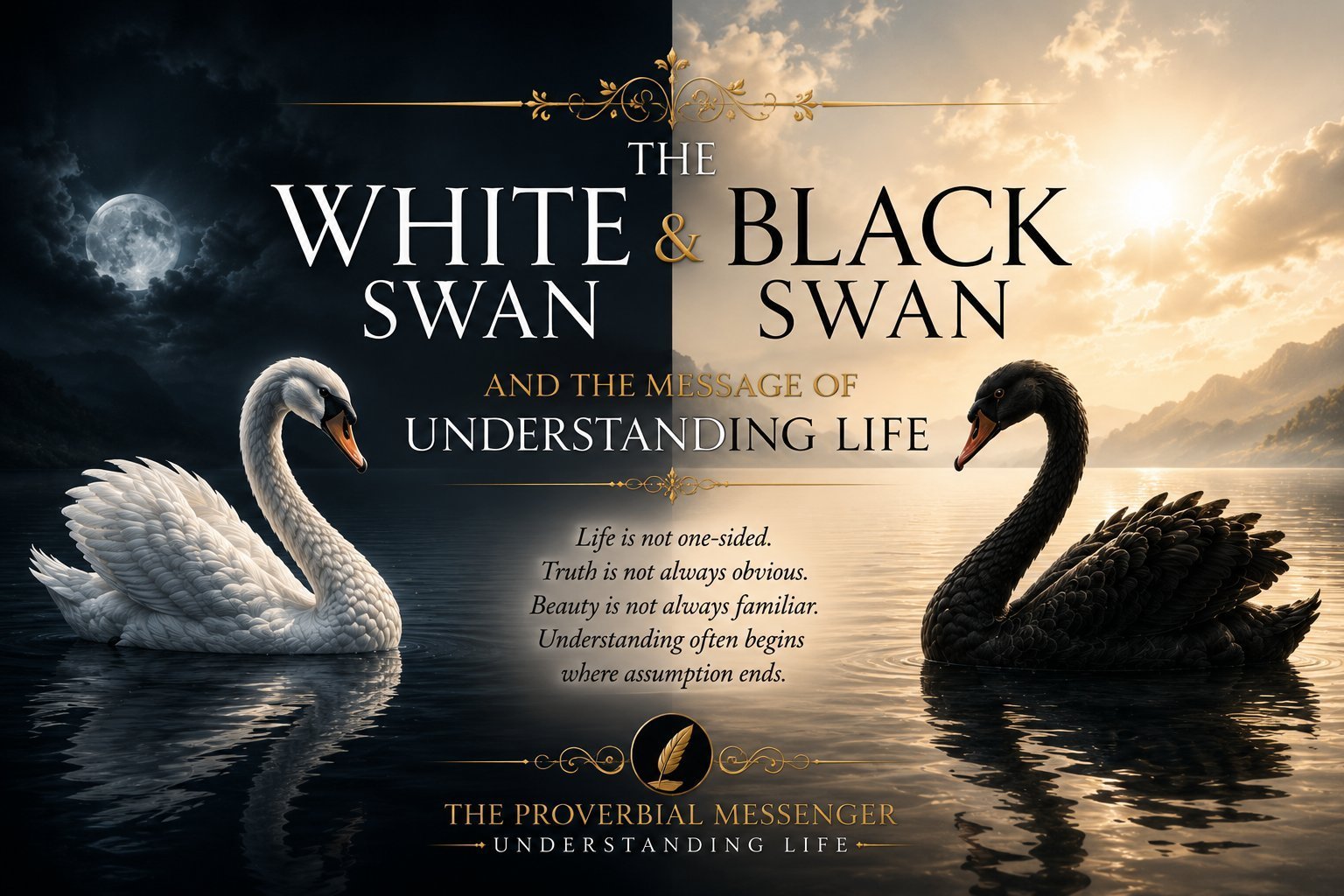
The White Swan, the Black Swan, and the Message of Understanding Life
The symbolism behind the swans, the book cover, and the deeper philosophy of the message.
Read Reflection →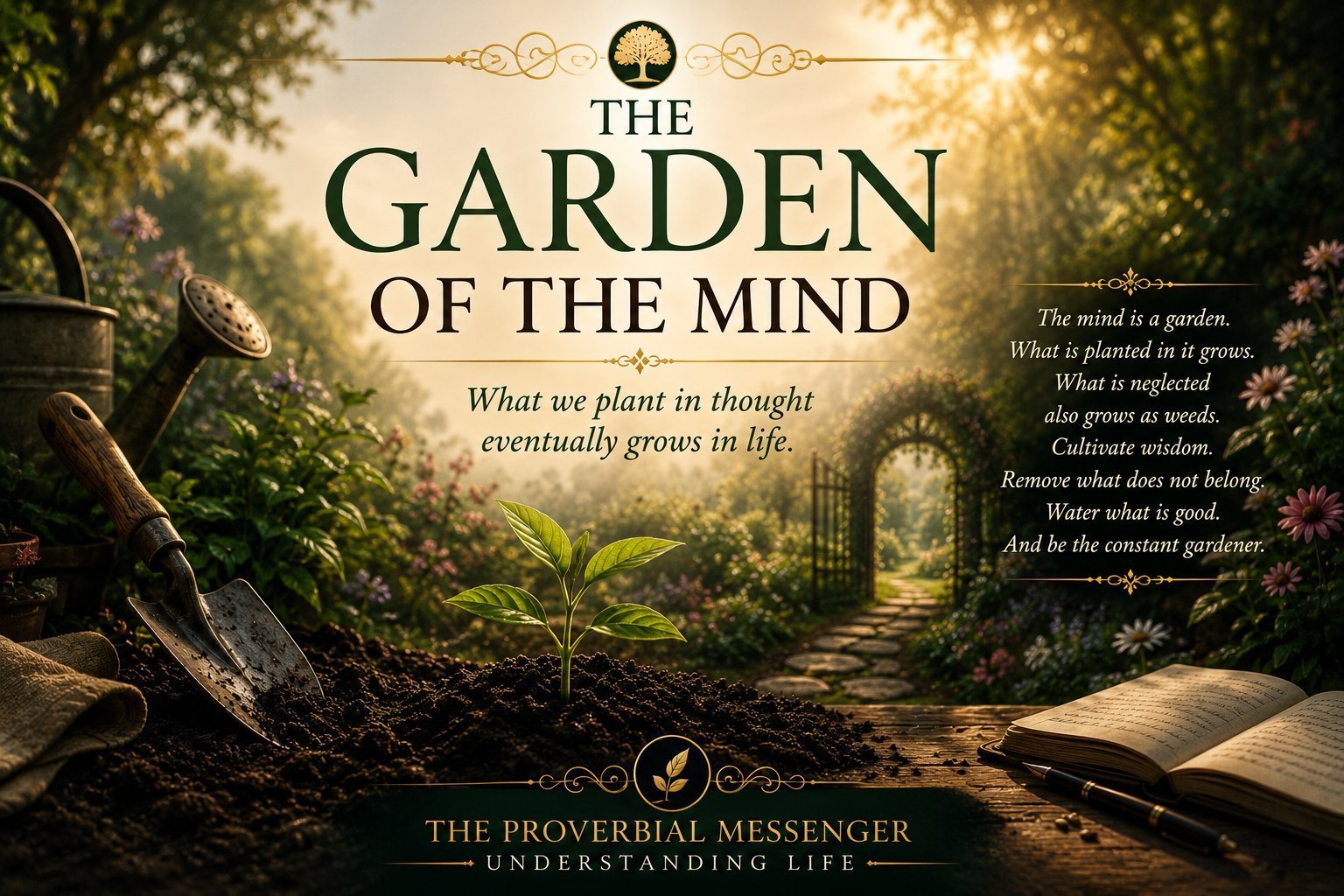
The Garden of the Mind
What we plant in thought eventually grows in life.
Read Reflection →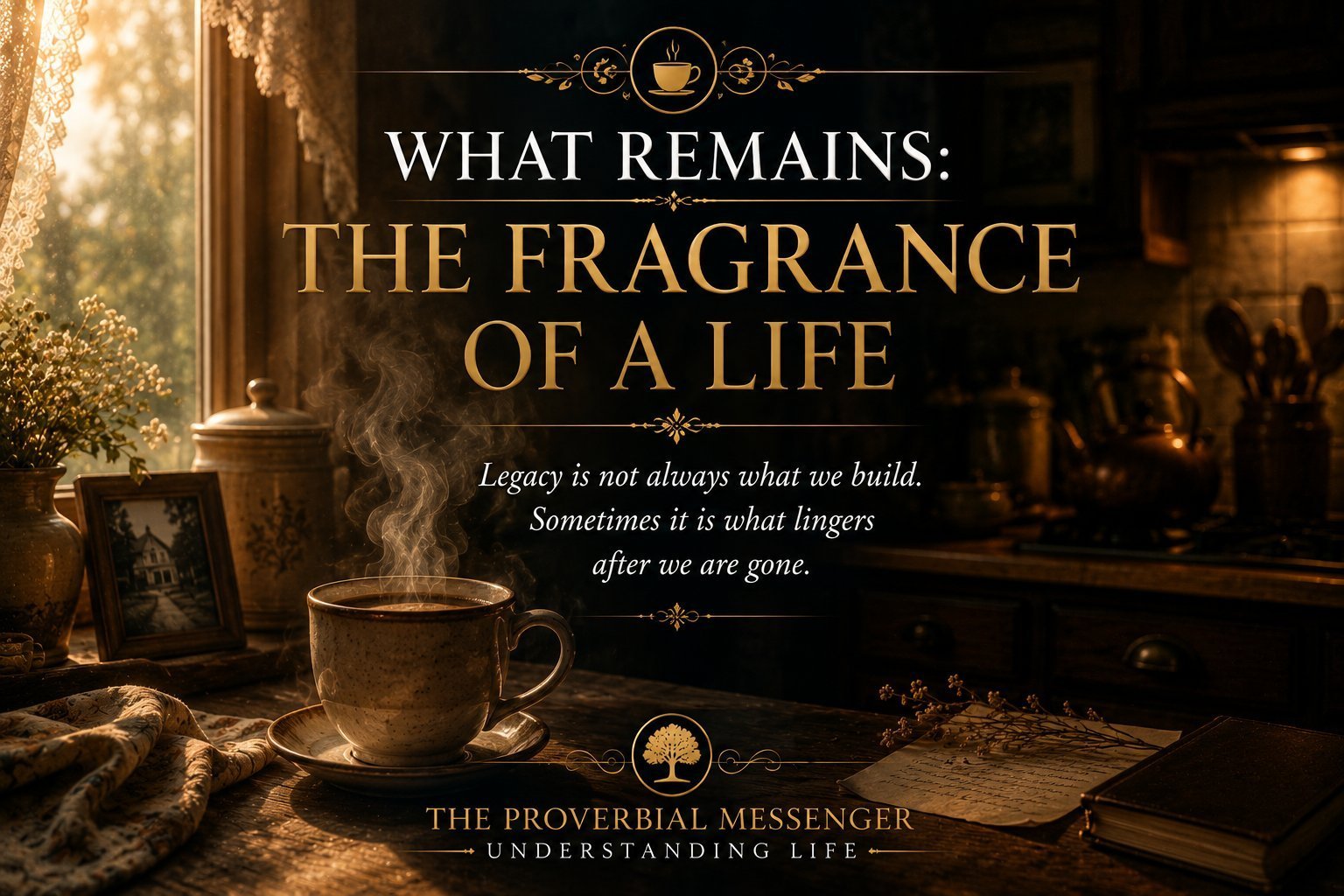
What Remains: The Fragrance of a Life
Legacy is not always what we build. Sometimes it is what lingers after we are gone.
Read Reflection →